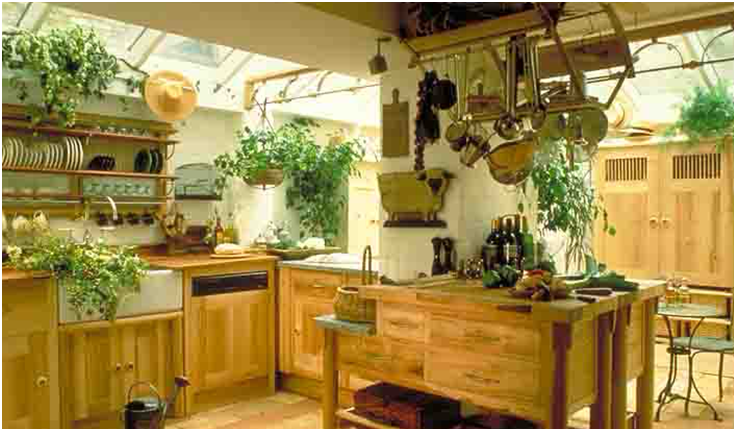
A Kitchen for the Brain

How wellbeing, human instinct and the chemistry of pleasure are reshaping the most important room in the house
Kitchen trends arrive from all sorts of directions. Weekend magazines offer alluring images, post-Covid behavioural research gives new clues about domestic life, architects and fashion designers introduce forms, colours, patterns and fabrics into their interiors. Consumer objects, from cars to smart appliances, bring their own vocabulary of surfaces, controls and expectation. Kitchen styles are no exception.
A catchword will shift the conversation. For some time now one such has been wellbeing. Used so frequently it risks being an irritating cliché but in kitchen design it points towards something real: a room that supports comfort, happiness, social contact and practical daily life.
The design of physical things can obviously create wellbeing. I think it can. We know that objects we touch and use every day can produce disproportionate pleasure. They might be a handmade salad bowl, a favourite ring, the glasses you’ve chosen to update your look, the cup that fits the hand just so. If small things can bring happiness, then major, substantial ones — the table, the central island, the window seat – and then intangible ones like smooth access between sink and hob — must surely do the same. I have a shelf-full of books on psychology, neuroscience and design.Many offer insights into the comfort we gain from our interactions with the physical world around us, the objects we choose for our homes among these. What I describe as affordances, the offer of a surface, chair, shelf, usefully nudge us towards a more gratifying place, a pause for a chat for example, or the sight of a favourite ceramic, a vase of lilies.
Eye contact matters. So do touch-friendly surfaces that age in ways we recognise rather than deteriorate into embarrassment. A view out of the window while washing up, cooking or eating can change the emotional register of a task. A passing conversation with a family member may happen only because the room has allowed two people to pause in the same place.

Then there are the sensory signals: the scent of spices wafting through the room, the sight of a dish leaving the oven, the small rush of desire before eating. Some of these are aesthetic considerations. Others are profoundly pragmatic, for example, light, air, ventilation, storage, task lighting that does not glare, ambient light that allows people to relax after work. How to bring together allthese aspects of kitchen design becomes an intuitive, even instinctual process, and one that I (and others involved in design) can feel kicking in when working with clients on a project.
Three hormones, one room
A way to think about this is through three now-familiar messengers in the brain and body: dopamine, oxytocin and serotonin. Not exactly magic switches, these nevertheless offer a practical language for design because they connect motivation, belonging and happiness to the ordinary rituals of cooking and eating.
Dopamine: progress, reward and novelty
Dopamine is often described as the reward chemical but in daily life it is just as much about progress and activity. Cooking is full of small achievable goals: finding the right knife, chopping cleanly, hearing the first sizzle, tasting, adjusting, completing. A well-designed kitchen makes these steps visible and satisfying rather than frustrating.
Design supports this by making tools easy to reach, surfaces clear, ingredients legible and movement intuitive. Soft geometry, my concept of movement without triggering peripheral vision, is key here.Music, daylight and inventive cooking help too. So do foods that support energy and attention: protein-rich ingredients such as eggs, fish, meat and nuts, fermented foods and meals that make preparation feel like a sequence of modest wins with a touch of creativity.
Oxytocin: care, proximity and shared attention
Oxytocin is associated with bonding, trust and care. The kitchen is one of the rooms where these are enacted physically through cooking side by side, passing a spoon, tasting from the same pan, telling stories while stirring, making food for someone because they are tired, hungry or loved. They might be nearby just outside the main cooking zone at the raised-height bar of a central island.A kitchen with some multigenerational design elements will give these activities additional support.
A kitchen optimised only for efficiency may allow one person to perform brilliantly while everyone else hovers at the edge. A kitchen designed for oxytocin invites safe proximity: enough space to cook with someone, a place for a child to perch, a surface where aperitifs and half-finished conversations can coexist with preparation. Pleasant smells, warm food and shared tasting are not extras. They are part of the room’s emotional infrastructure.
Serotonin: calm, rhythm and delicious tastes
Serotonin belongs to the slower pleasures like steadiness, sufficiency, the sense that the day has landed. Cooking can become a mindful, unhurried business when the room allows it. Repetitive rhythmic tasks — kneading dough, chopping vegetables, stirring a sauce — have their own quiet effect. Nostalgia also plays a part. There are the comfortfood memories, the gratitude that someone has cooked, the feeling of being well fed and lucky.
What we eat matters as well as the layout of the room. We all know that complex carbohydrates see off the drama of a sugar rush. Omega-3-rich foods such as salmon, walnuts and flaxseed have an important place, as do fermented foods such as yoghurt, kimchi and sauerkraut, which remind us that gut health and mood are not separate subjects. Environmental tempo helps too: music that calms or gently lifts, lighting that follows the day, and bright natural light whenever possible.
Seen this way, the kitchen is not a collection of cabinets and appliances but an instrument for everyday behaviour. Its design can make good habits easier and social activities more likely. It can slow us down or hurry us along. It can isolate the cook or draw others in. It can turn preparation into performance or companionship. A view out the window into the garden or sky brings a sense of relief that the outside world is still there and full of good things and the day has its solid necessary rhythm.
Recent design research increasingly supports this broader view, linking kitchen wellbeing to air quality, layout, light, family interaction, healthy cooking and the social rituals of eating. For designers the challenge is not to sprinkle wellness language over familiar plans but translate human needs into physical decisions: where people sit and stand, what they see, what they touch, how they move, and whether the room invites the right kind of attention.
Sometimes forgotten is that a kitchen is part of a traditional structure, ie the collection of rooms in a house or apartment. As a furnished room, albeit one with more intense functionality than most, a key requirement is to choose and place the furniture. This sounds, perhaps, unusual because so many kitchens are fitted. They are made up of units around the walls, without flexibility. My vision is different and reaches back to a time before the fitted kitchen. Then people had a combination of freestanding furniture and built-in counters. I believe this works well today and into the future.
My newly revived Unfitted Kitchen uses modular and hero pieces, prompting the design process and making planning simple. Base cabinets of varying sizes form any configuration and fit themselves into fixed spaces. Hero pieces, cabinets which are eye catching, house fridges, ovens and dishwashers. The two categories of furniture work together to complete a holistic design, offering a kitchen with minimal fitting. My lifelong belief in the unfitted kitchen is centred around furniture being the most effective method of kitchen planning at the same time as giving the space a truly domestic quality.
A sunny kitchen, a warm meal rich in tryptophan and carbohydrate — oatmeal, perhaps, or salmon with saffron rice — and a cosy place to sit with a child, partner, a dog or cat can pull several levers at once. It offers reward, care and calm. That may sound modest. In fact, it is the point. The most sophisticated kitchen of the future may be the one that understands the oldest human requirements: light, fire, food, touch, familiar objects, personalised furniture, conversation and the pleasure of being together.